















10% off on your first order*
You will also be able to have preview access to all the news and future promotions from the Pineider world. *The welcome code cannot be combined with other ongoing promotions.

Since 1774, a story in progress

Florence became an essential stop on the Grand Tour, and Pineider emerged as a reference for an international and aristocratic clientele, drawn by fine papers and bespoke printing.
A cosmopolitan vocation took root and shaped the centuries to come.

During the Napoleonic era, technical innovation and excellence in engraving strengthened Pineider’s reputation across Europe.
Precision craftsmanship and typographic quality became defining characteristics.

With the unification of Italy and the rise of modern tourism, Pineider expanded its horizons through maps, travel guides, and early postcards.
Paper became storytelling, and writing began to travel.

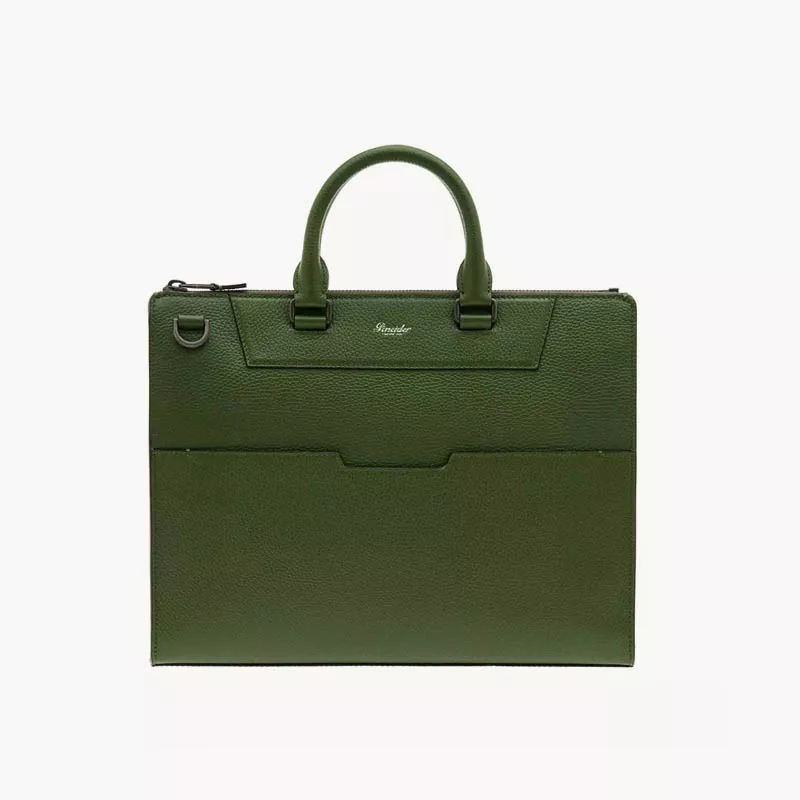
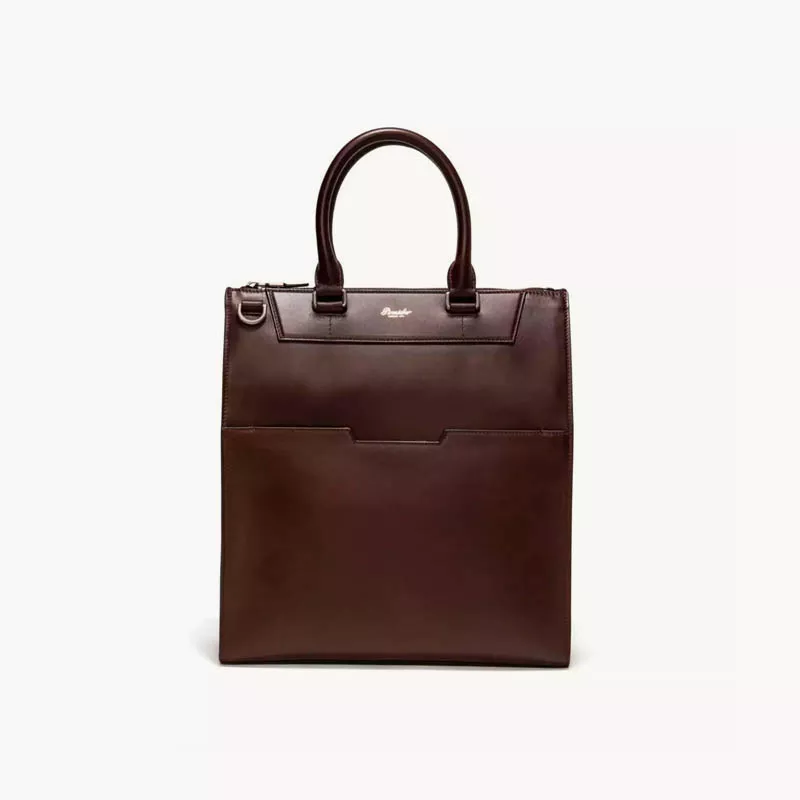
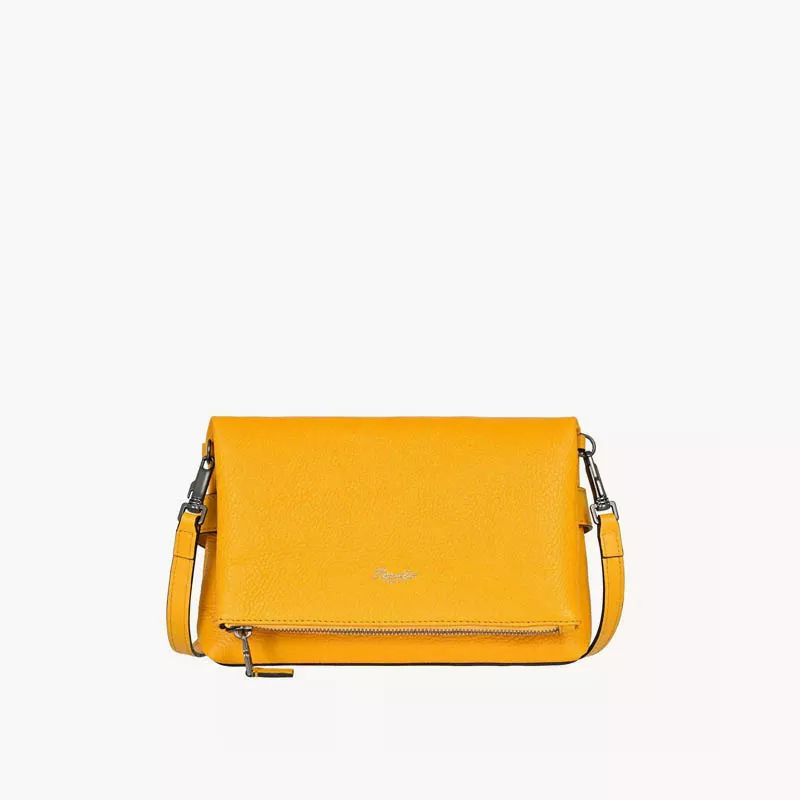
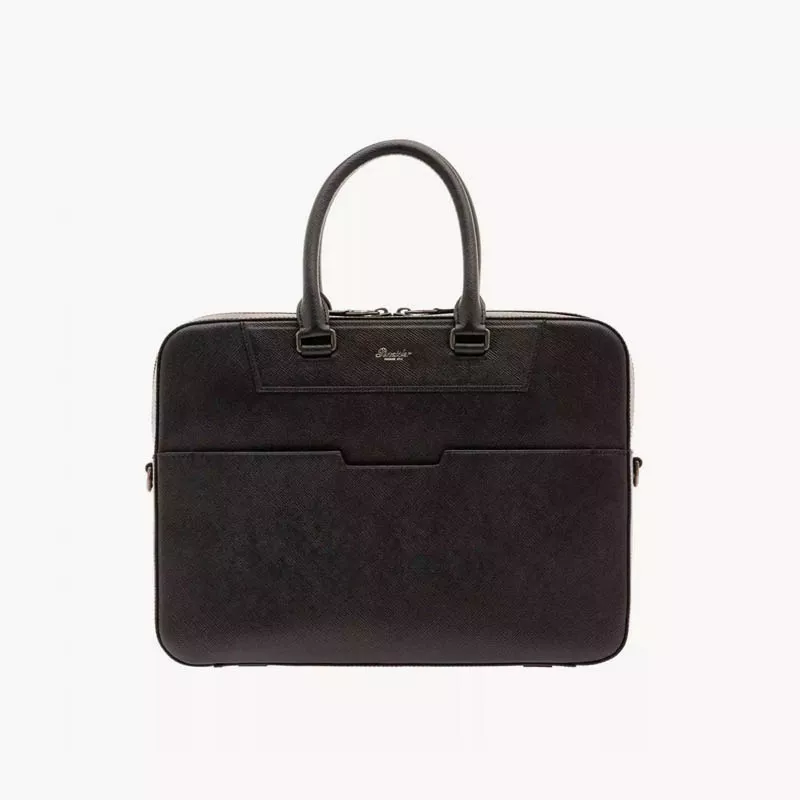
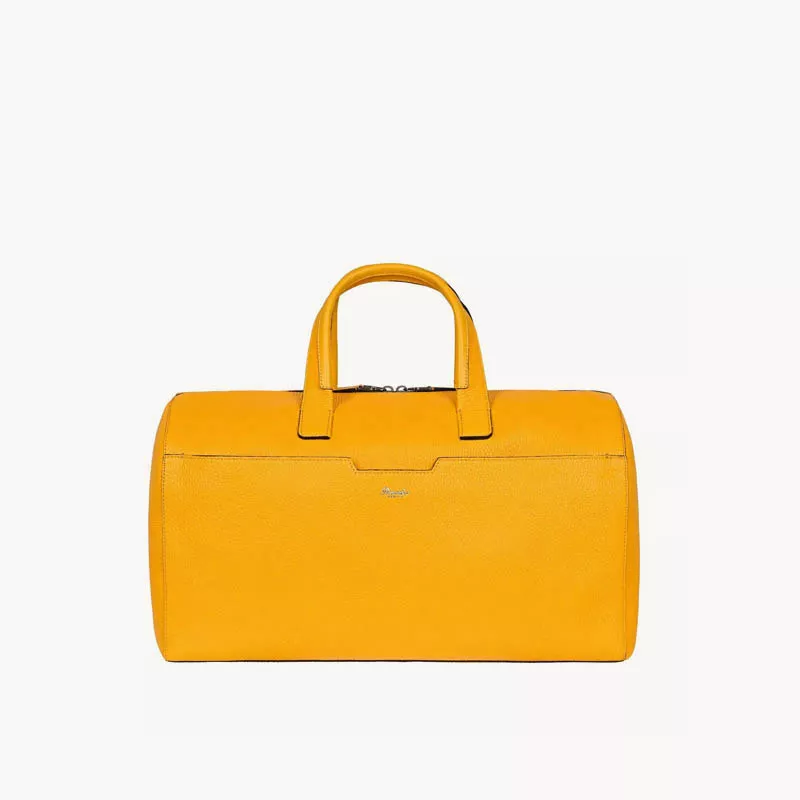
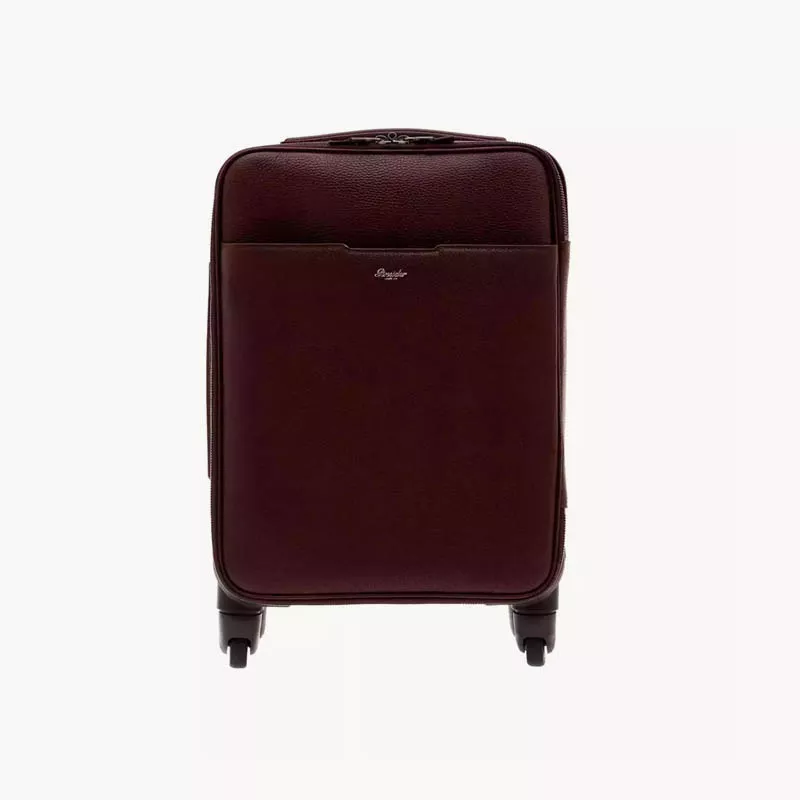
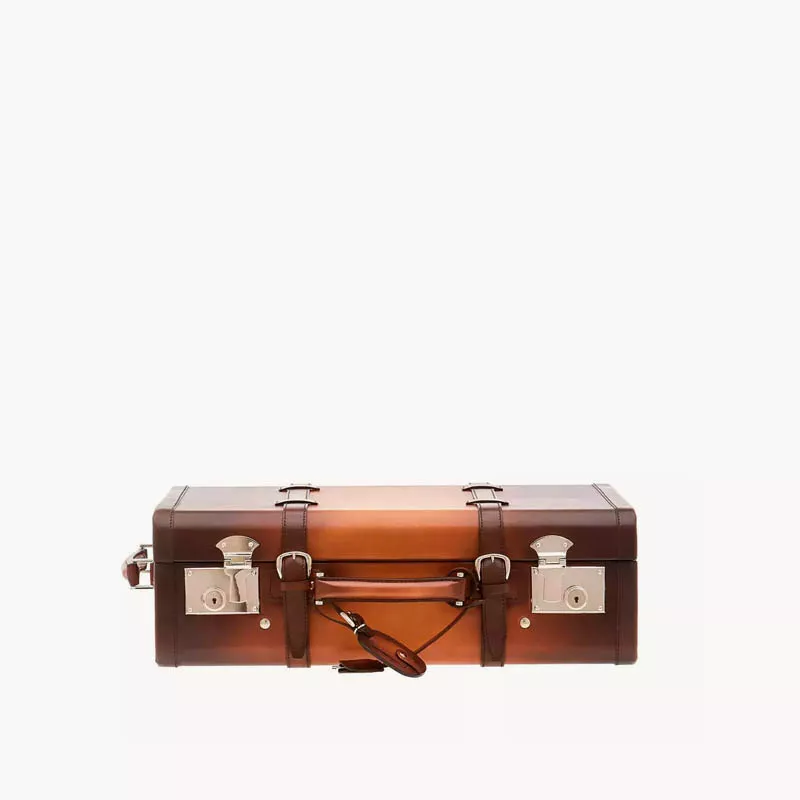
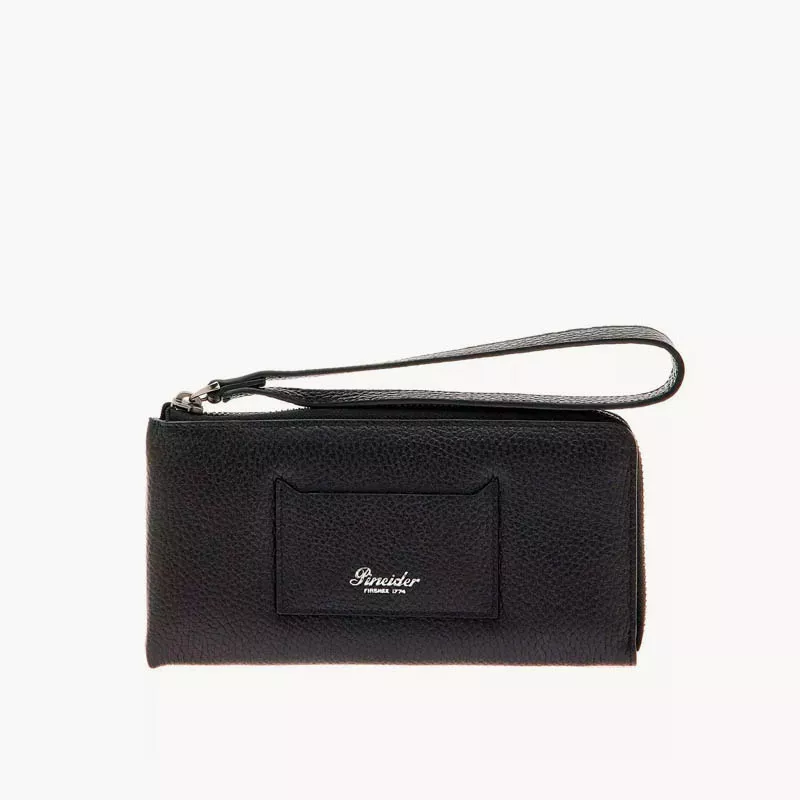
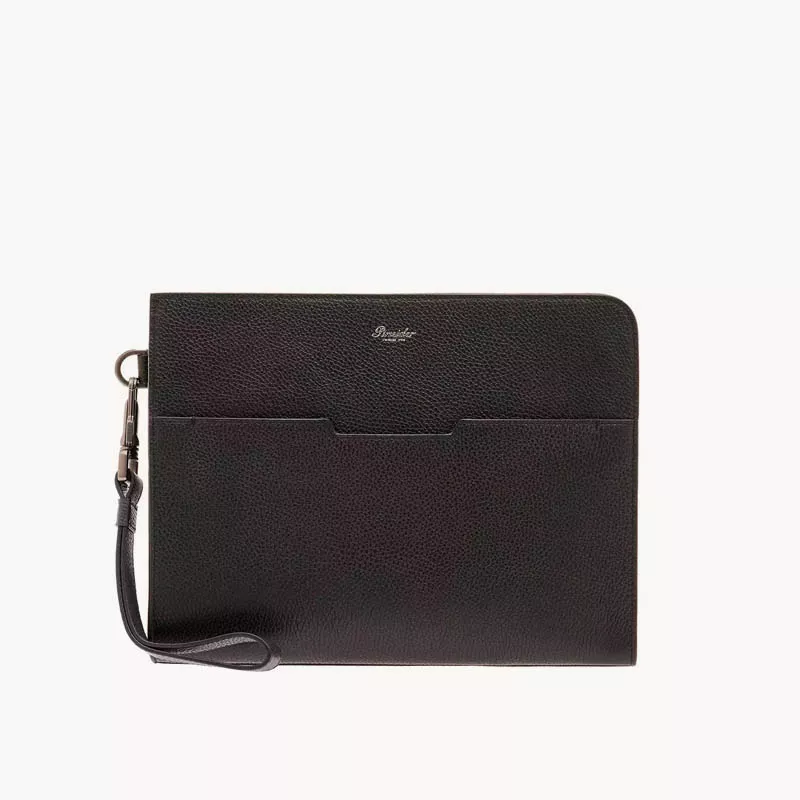
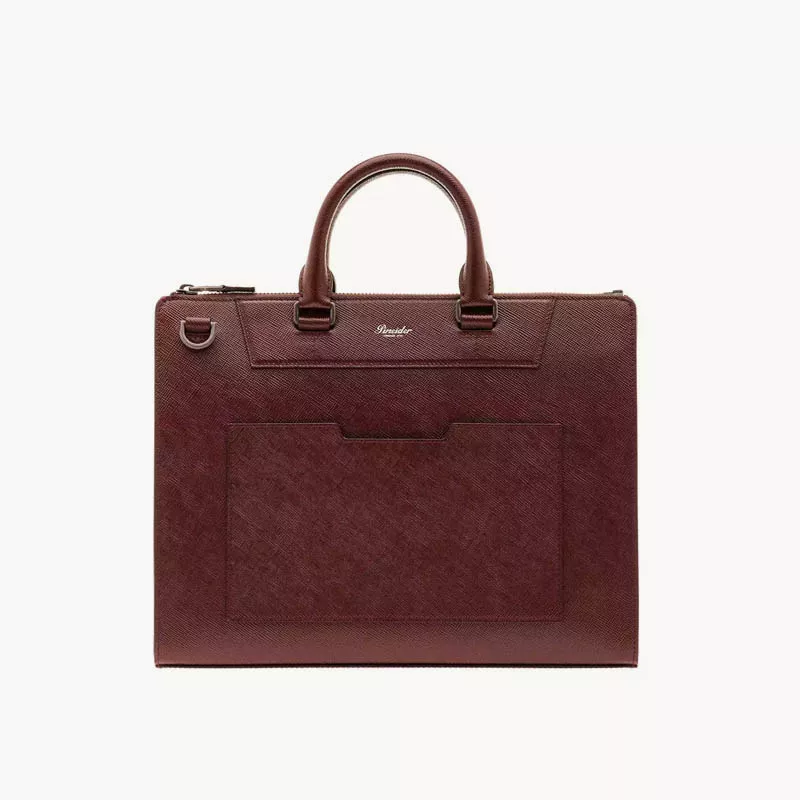
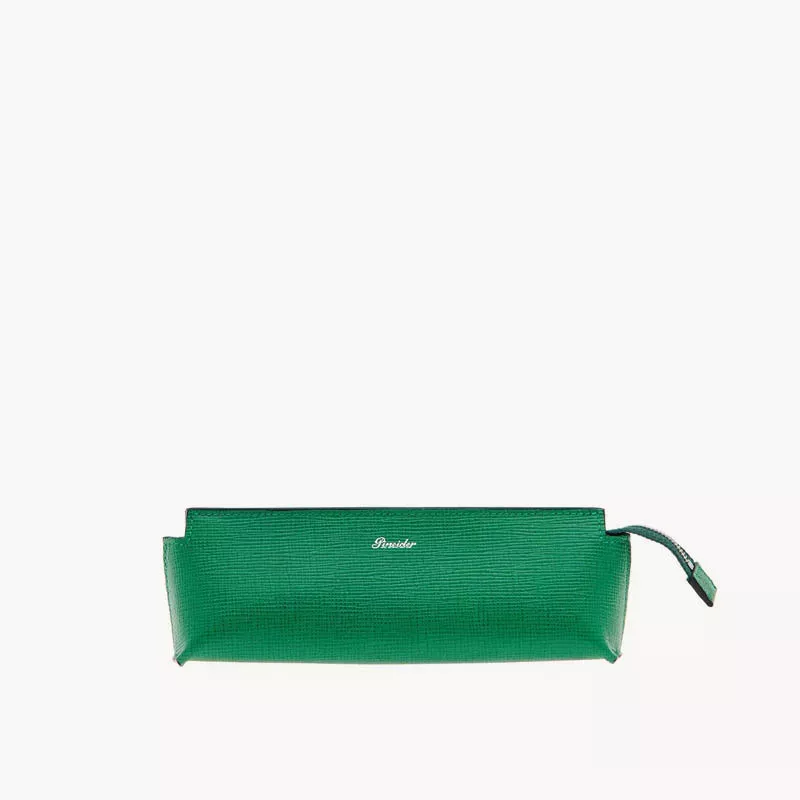
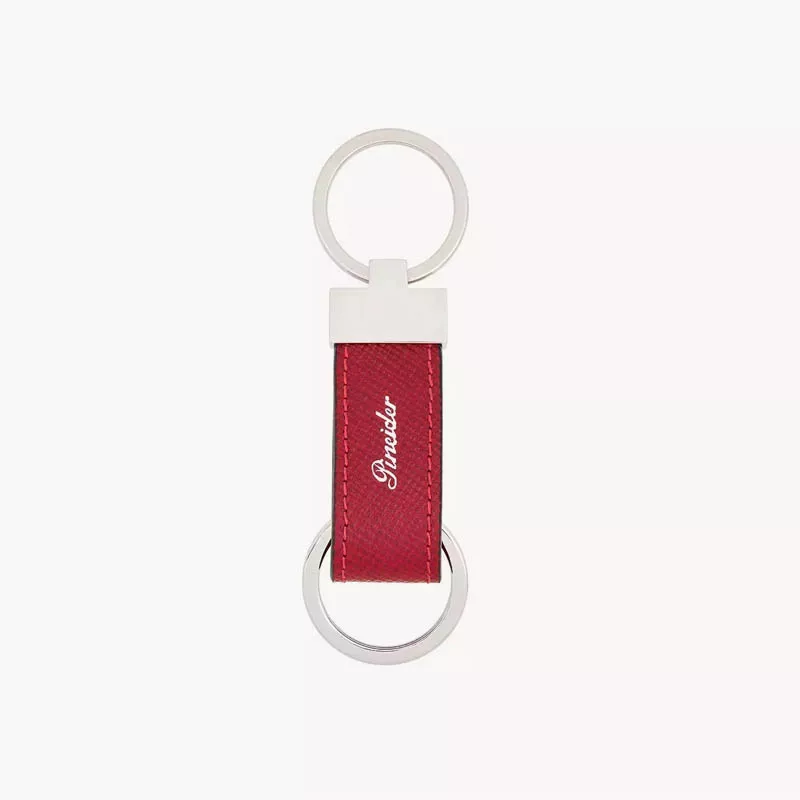
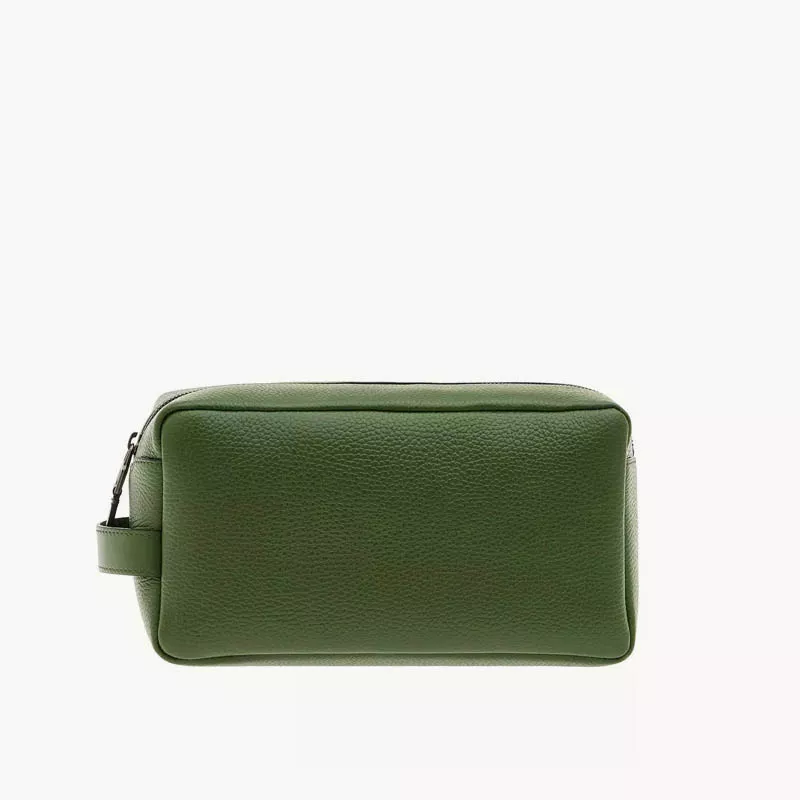
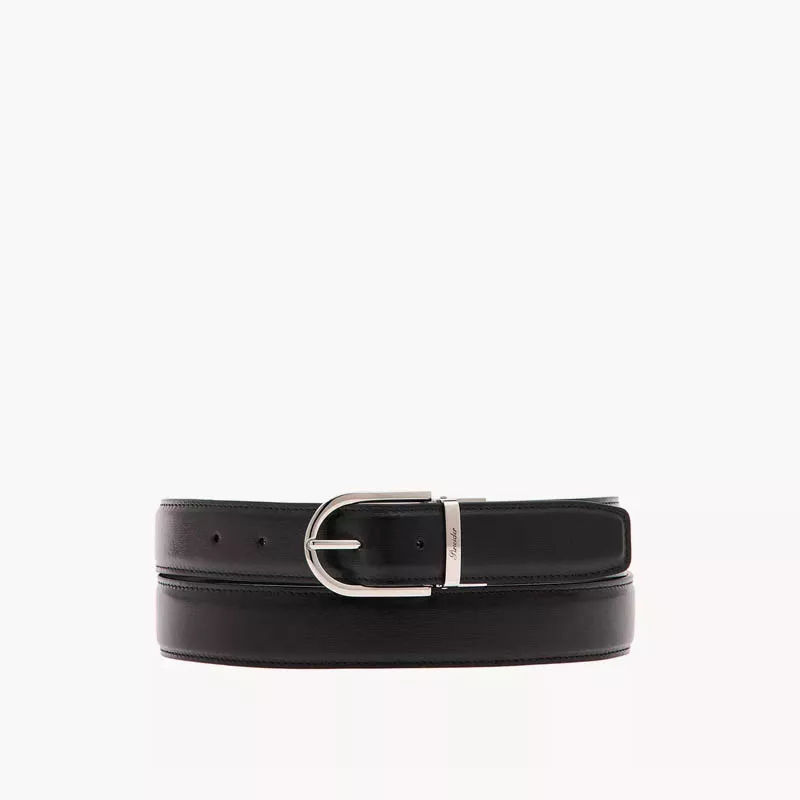
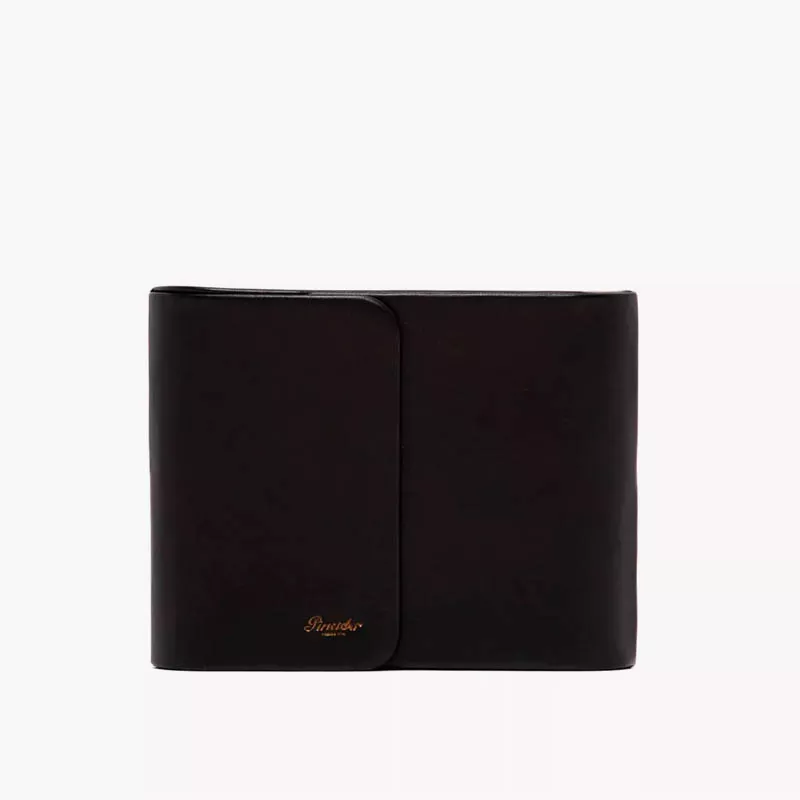
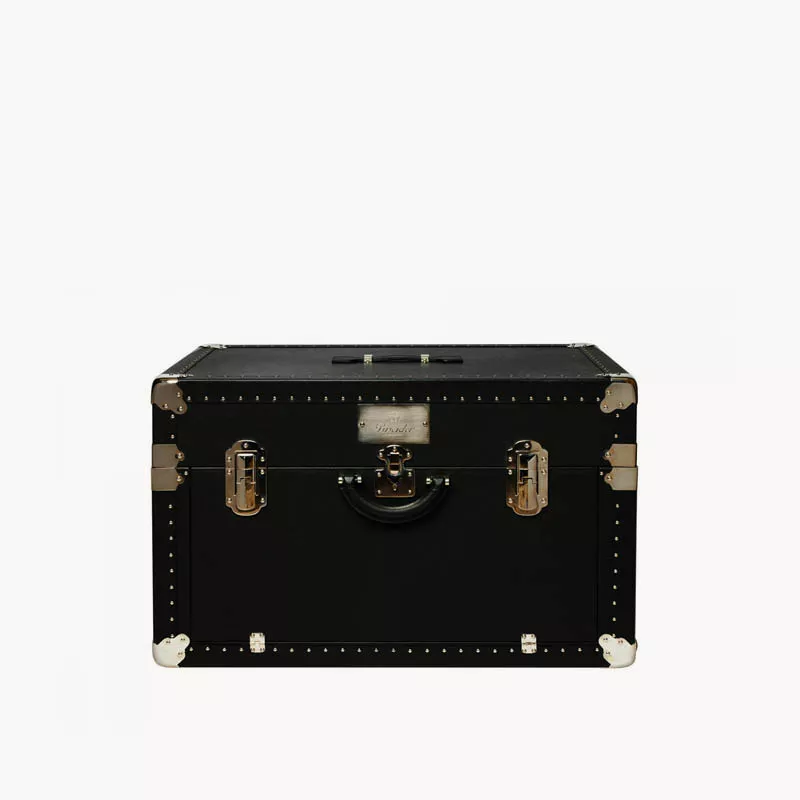
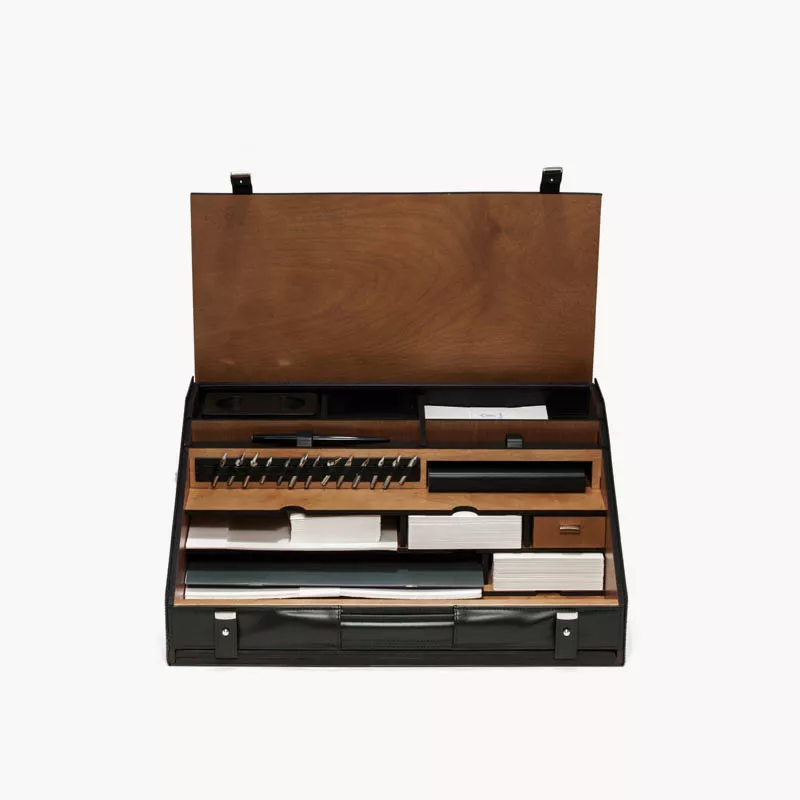
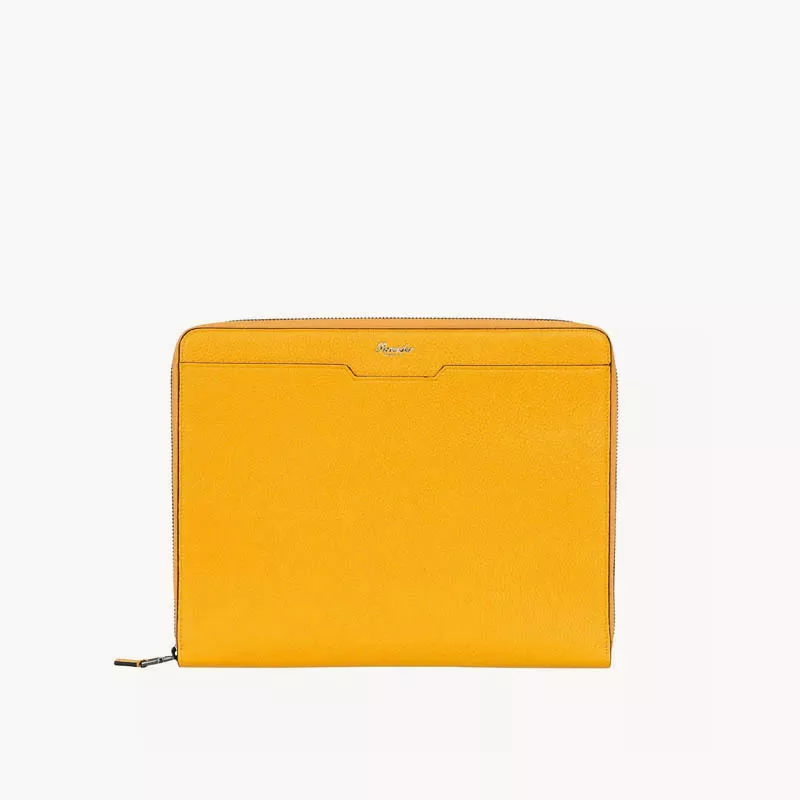
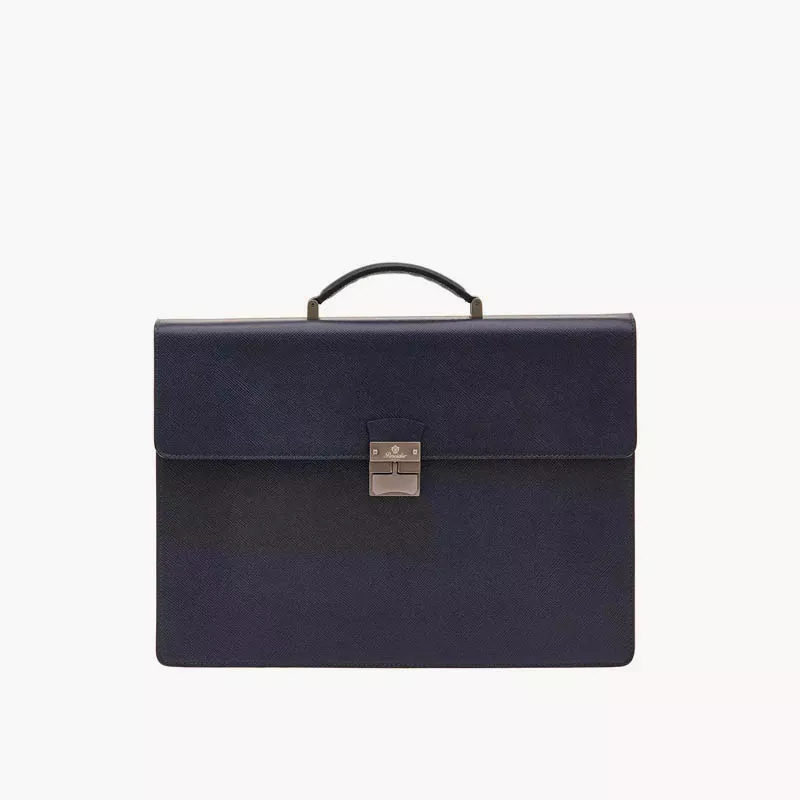
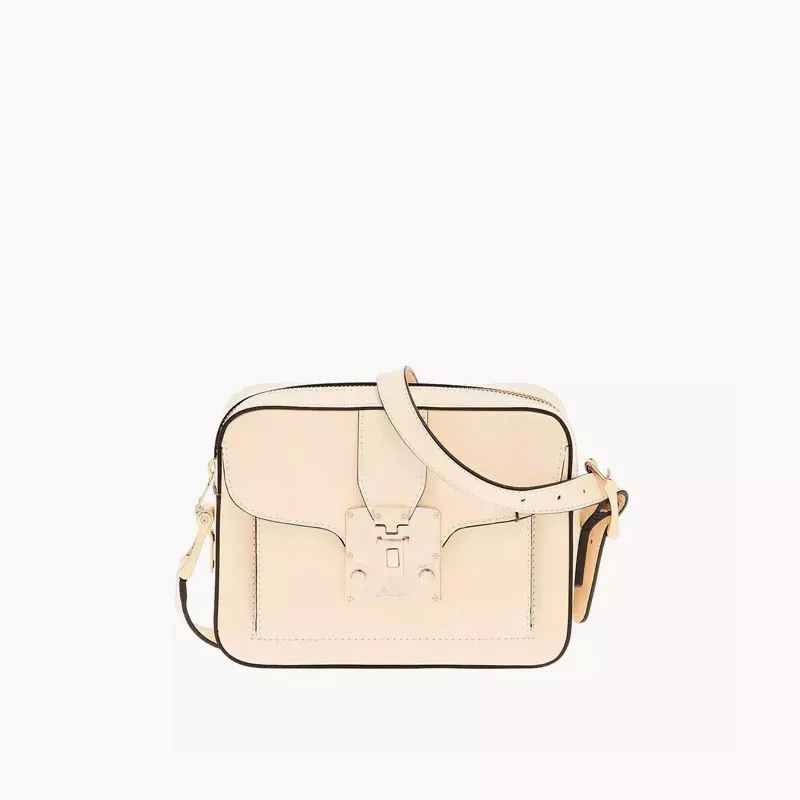
Writing moved beyond the study and into the world: bags, briefcases, satchels, and portable writing desks were introduced.
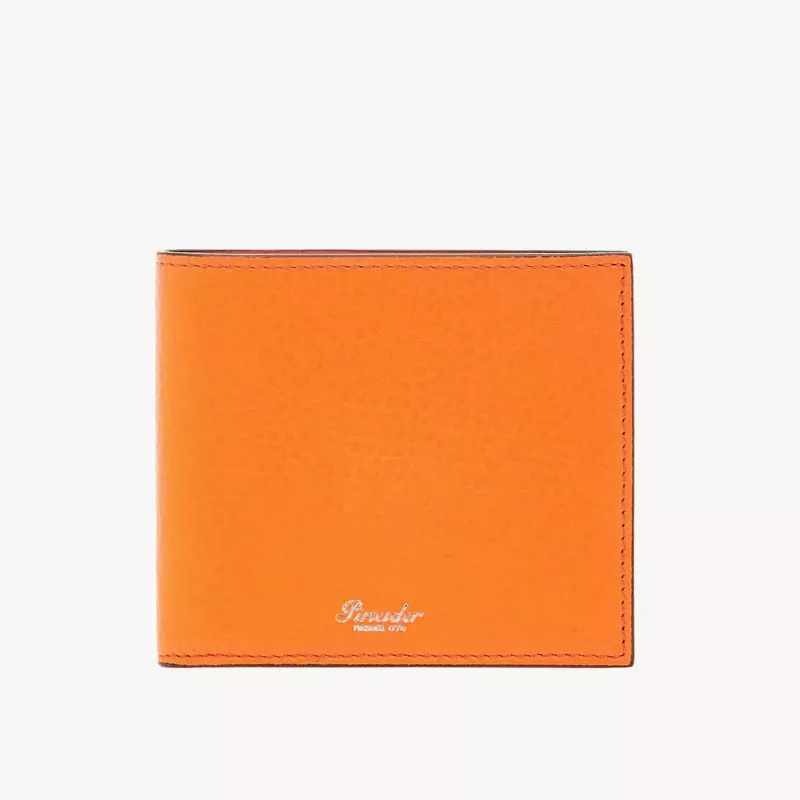
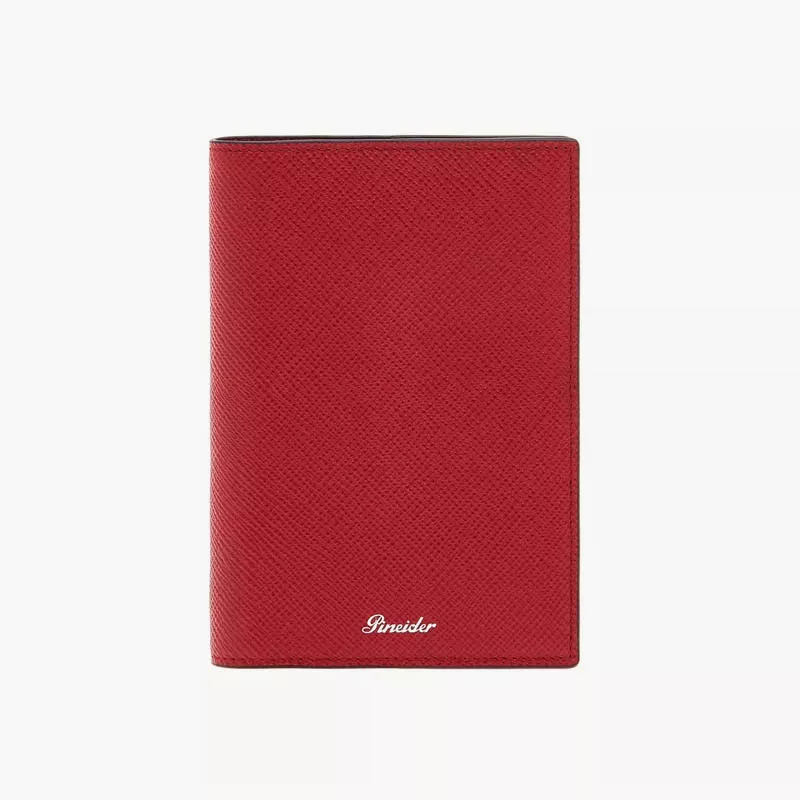
Leather goods became a natural extension of paper and writing instruments.

The flood of Florence destroyed archives and historical materials. Pineider endured one of the most difficult moments in its history, choosing continuity.
Resilience and memory became integral to the company’s identity.

Tradition, craftsmanship, and selective innovation guided a new phase of international growth.
Pineider strengthened its global presence while preserving its connection to Florence and historic expertise.

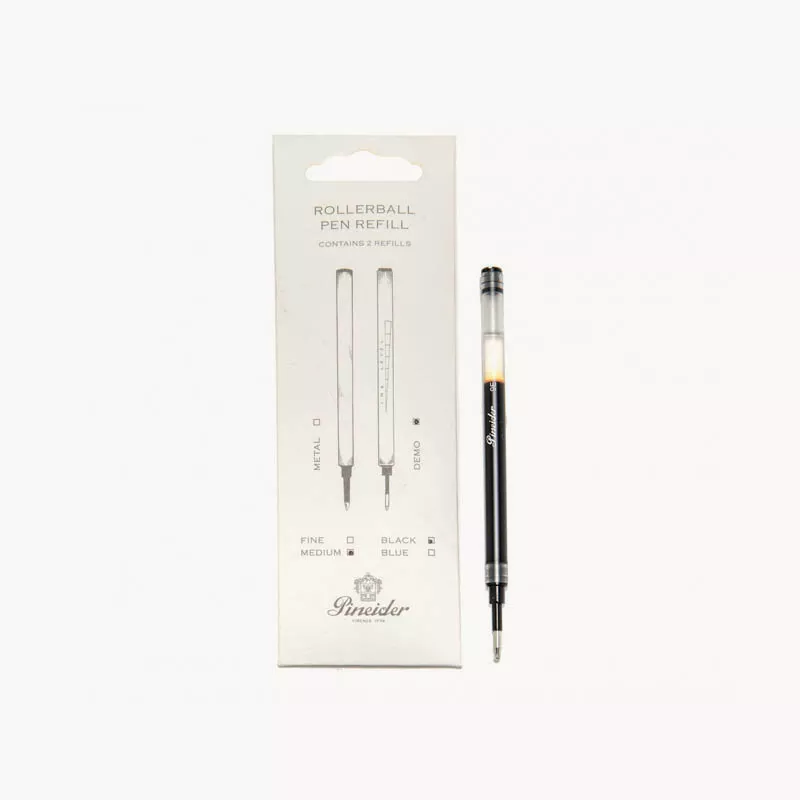
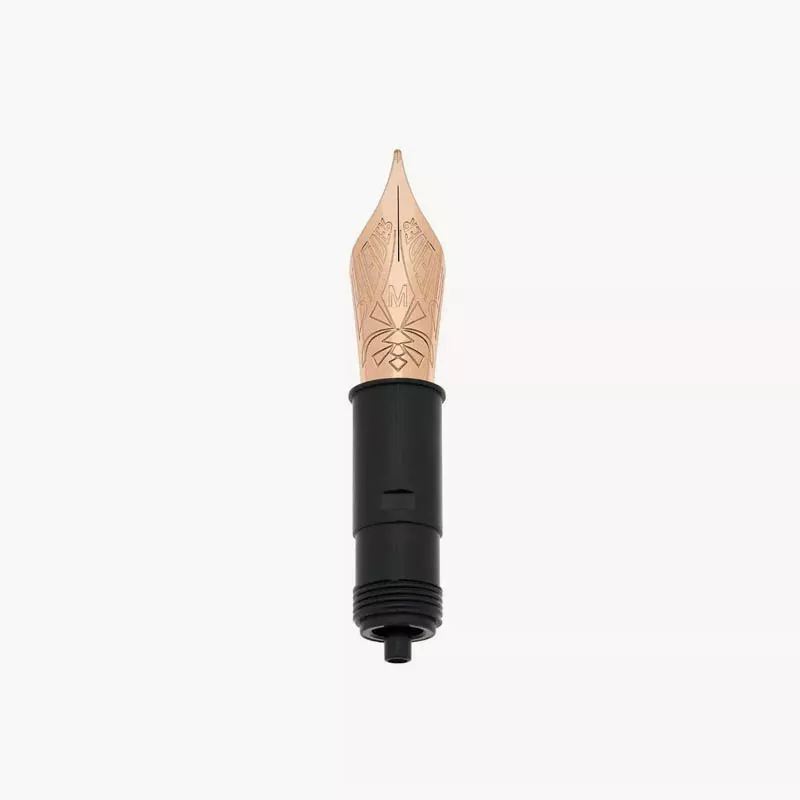
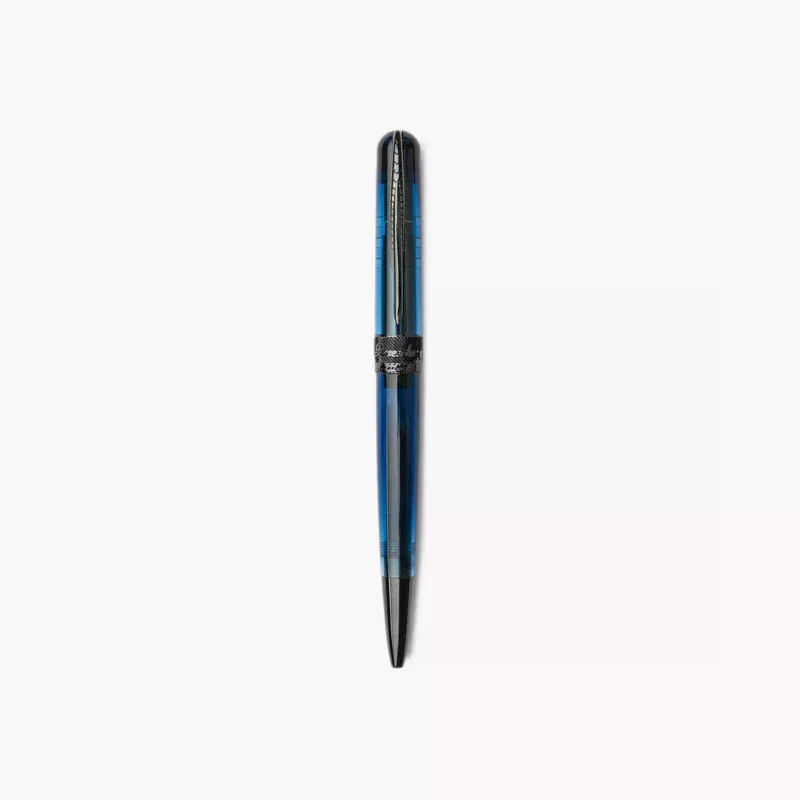
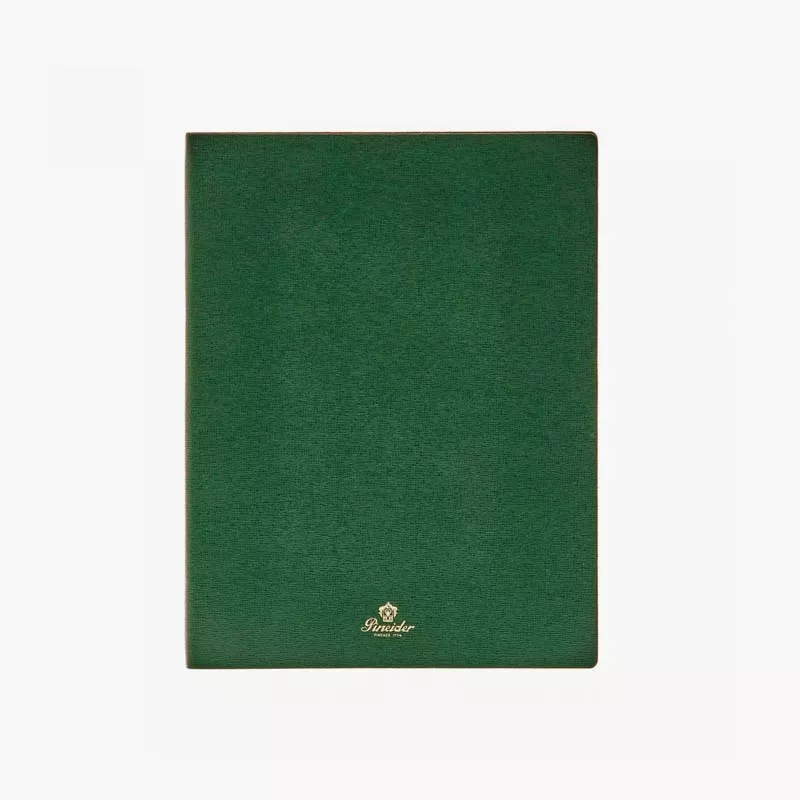
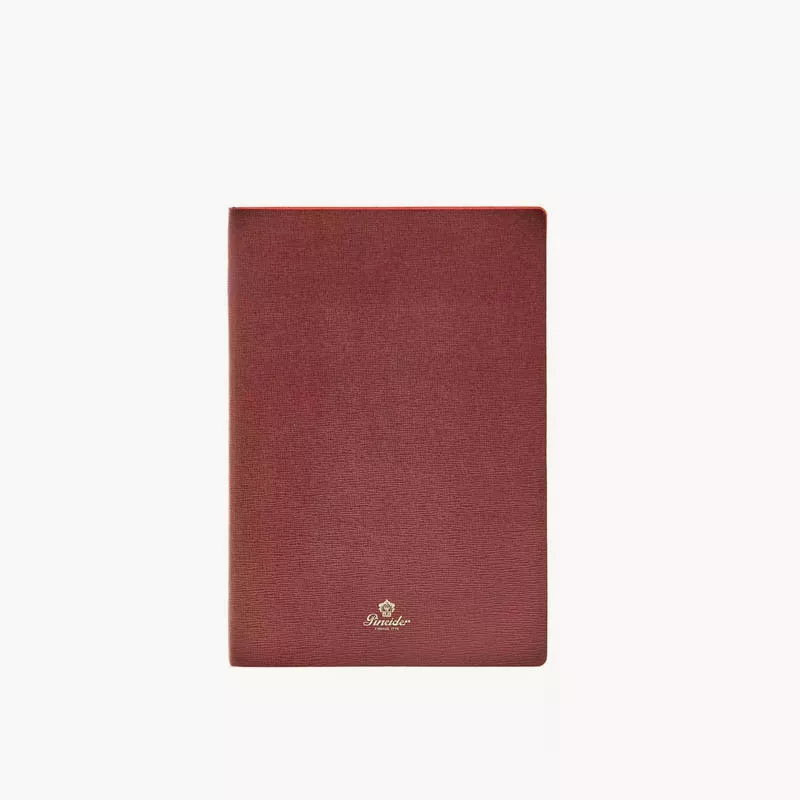
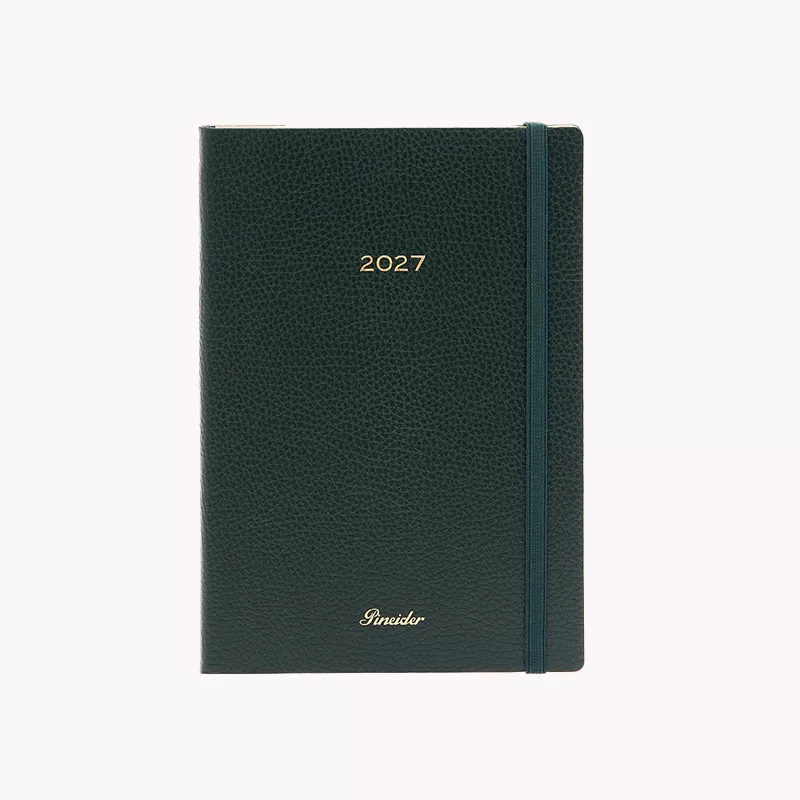
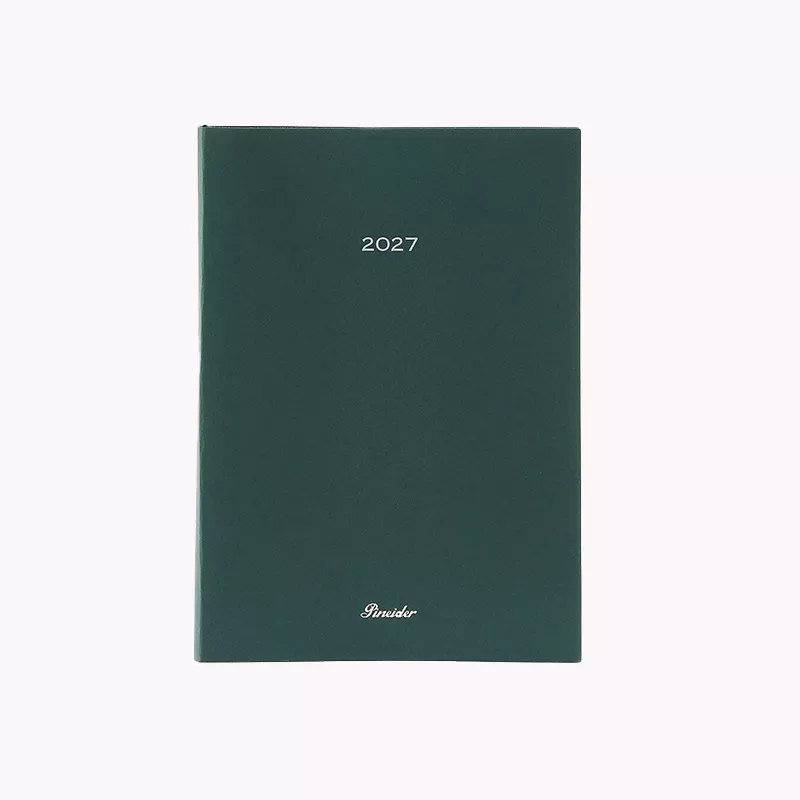
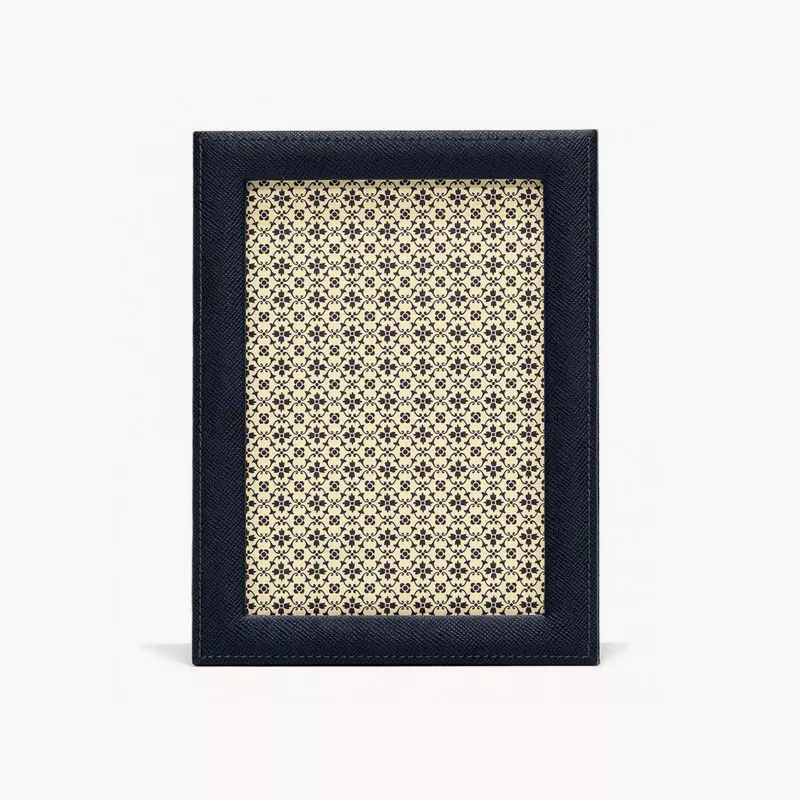
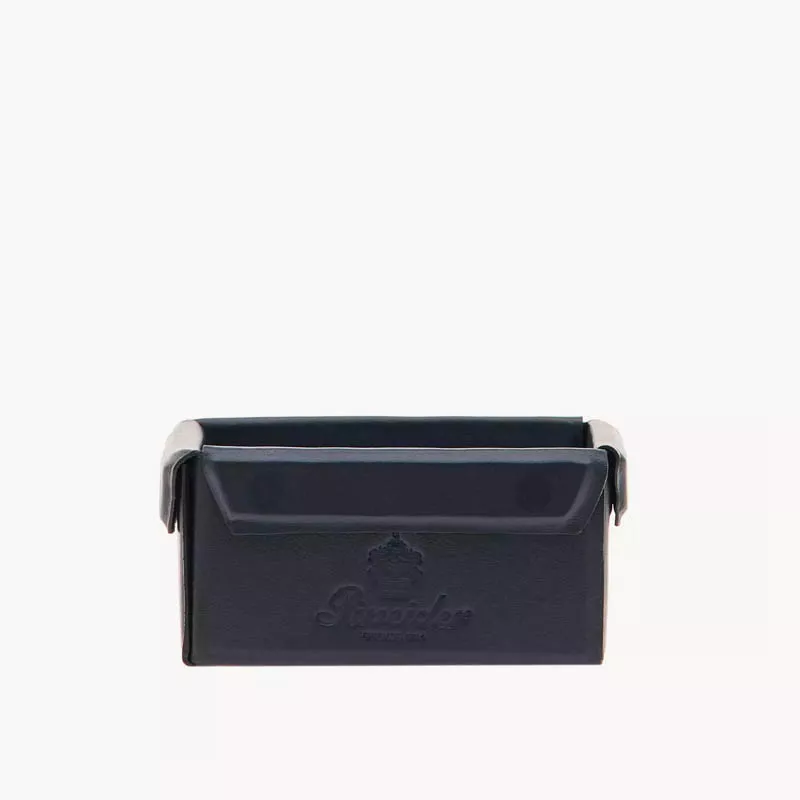
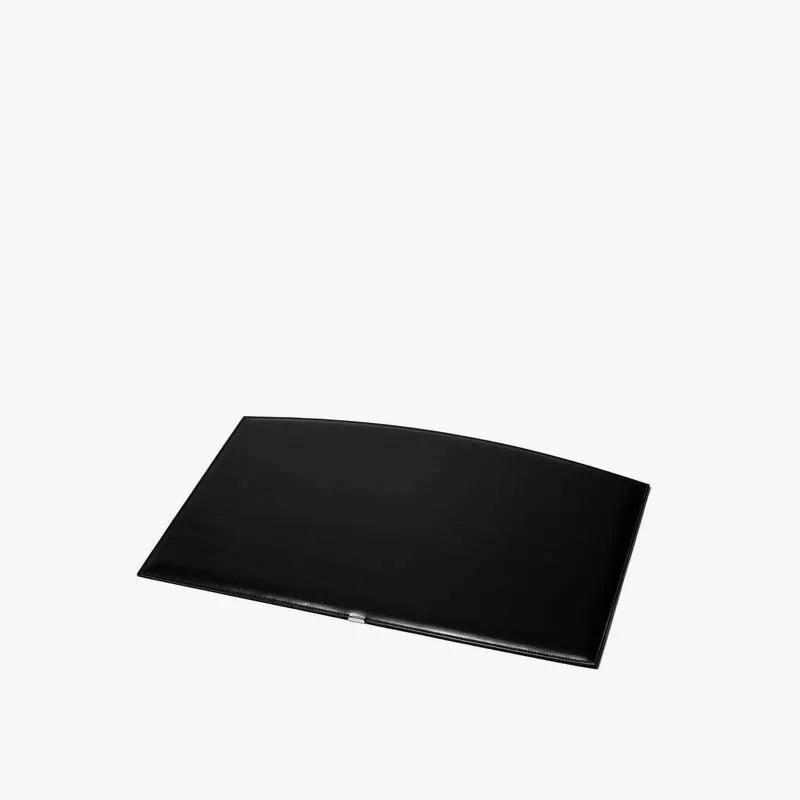
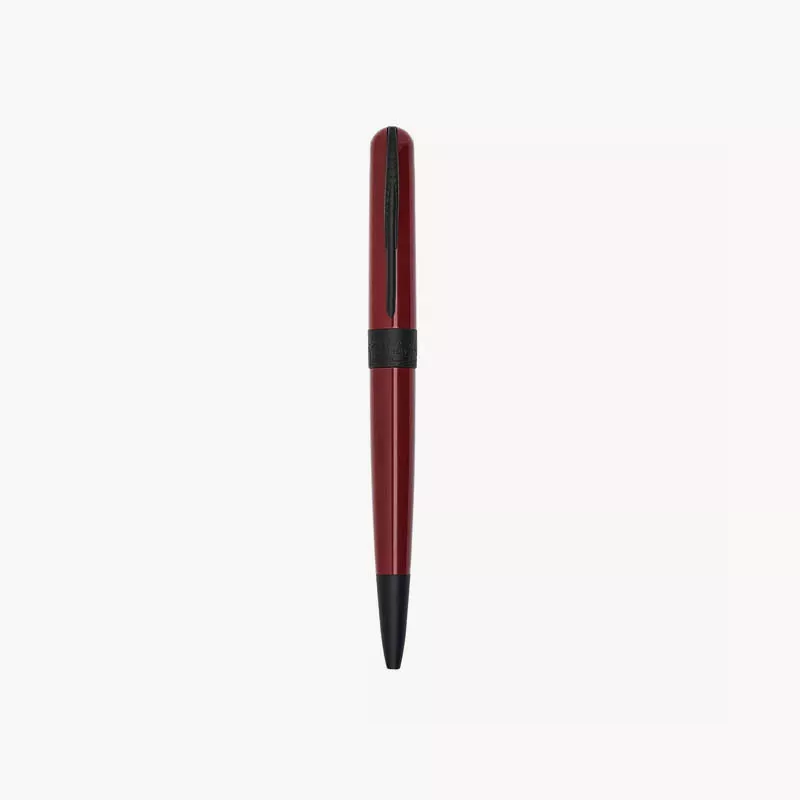
Today, Pineider continues to work with paper, leather, and writing instruments.
In a time shaped by the digital, it creates tangible objects designed to endure and accompany work, travel, and everyday life.
1700
1800
1859
1890
1966
2000
2026



You will also be able to have preview access to all the news and future promotions from the Pineider world. *The welcome code cannot be combined with other ongoing promotions.